



Wireless and self-sufficient
corrosion sensor

Avoid dangerous, imprecise and unnecessary inspections
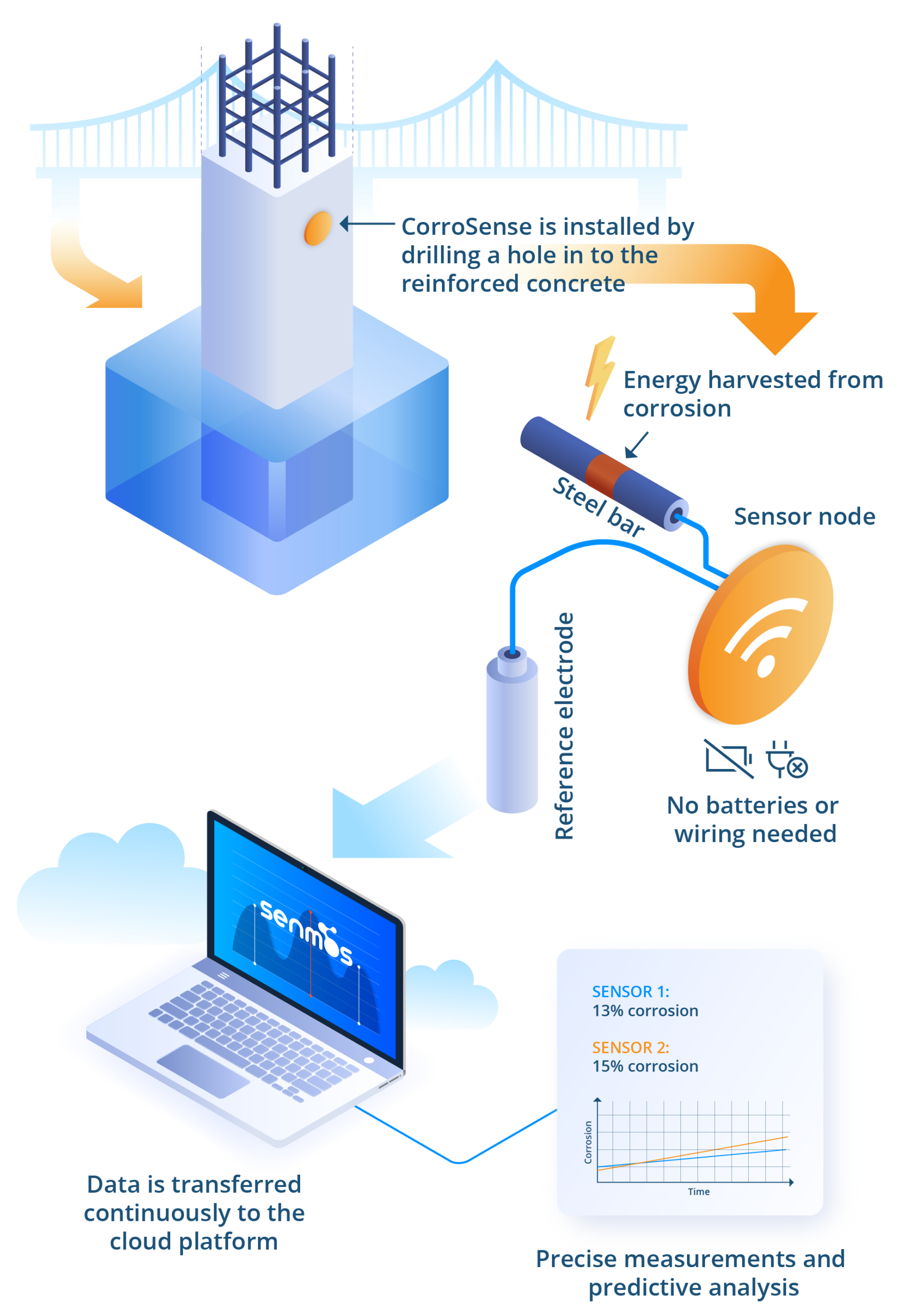
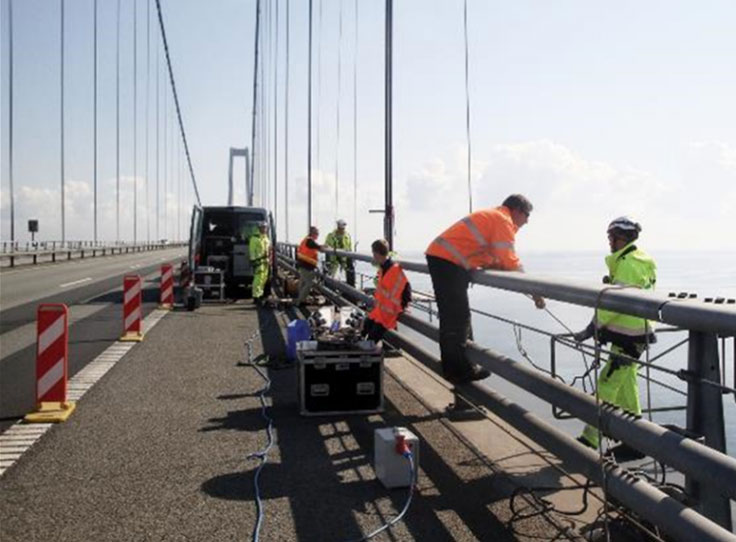
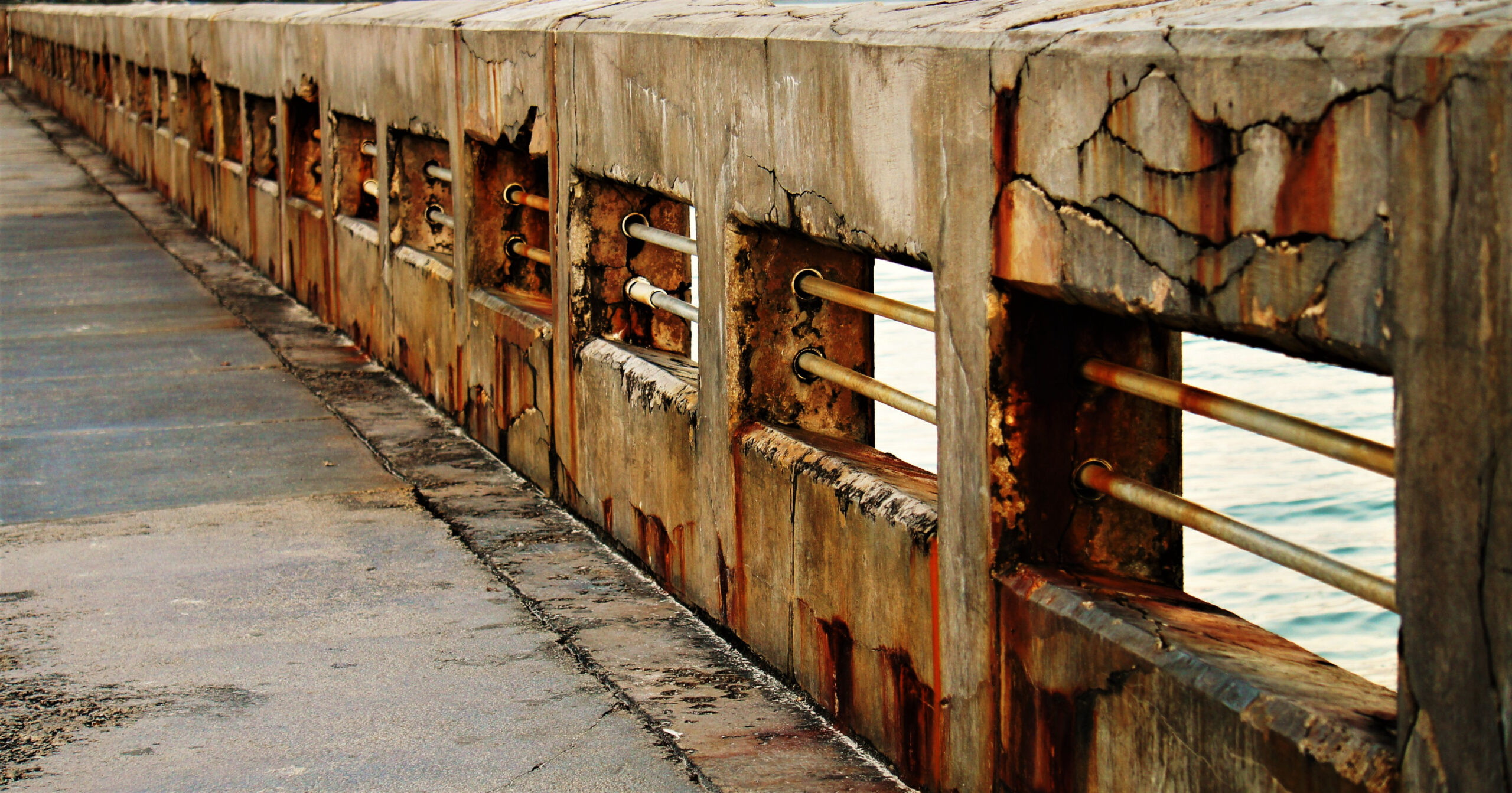
Our CorroSense project is revolutionizing the way we monitor critical infrastructure like bridges and tunnels. By using advanced wireless sensor technologies, we avoid the traditional manual inspections, which are not only time-consuming and expensive, but also often imprecise and risky. Our intelligent monitoring system ensures continuous data collection, improving the accuracy and safety of condition assessments and minimizing the need for manual intervention in hazardous environments.
Reduces costs for materials, repair and maintenance
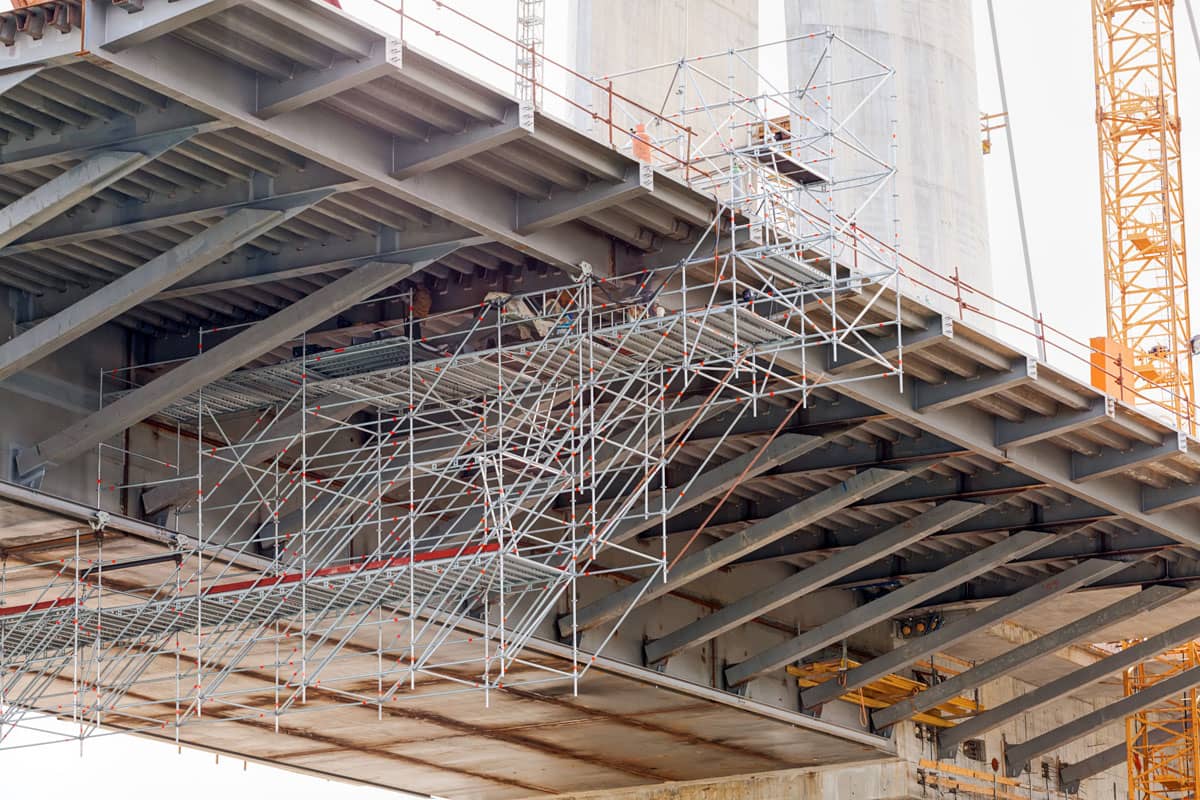
The CorroSense project offers a ground-breaking solution that can reduce the growing costs associated with infrastructure maintenance and repair. With the help of Structural Health Monitoring (SHM systems), we improve safety and extend the lifespan of structures while reducing CO2 emissions. Our technology enables a proactive maintenance strategy that identifies potential problems before they develop into serious failures, significantly reducing the cost of emergency repairs and material replacement.
Avoid accidents and unplanned downtime and extend the life of the structure
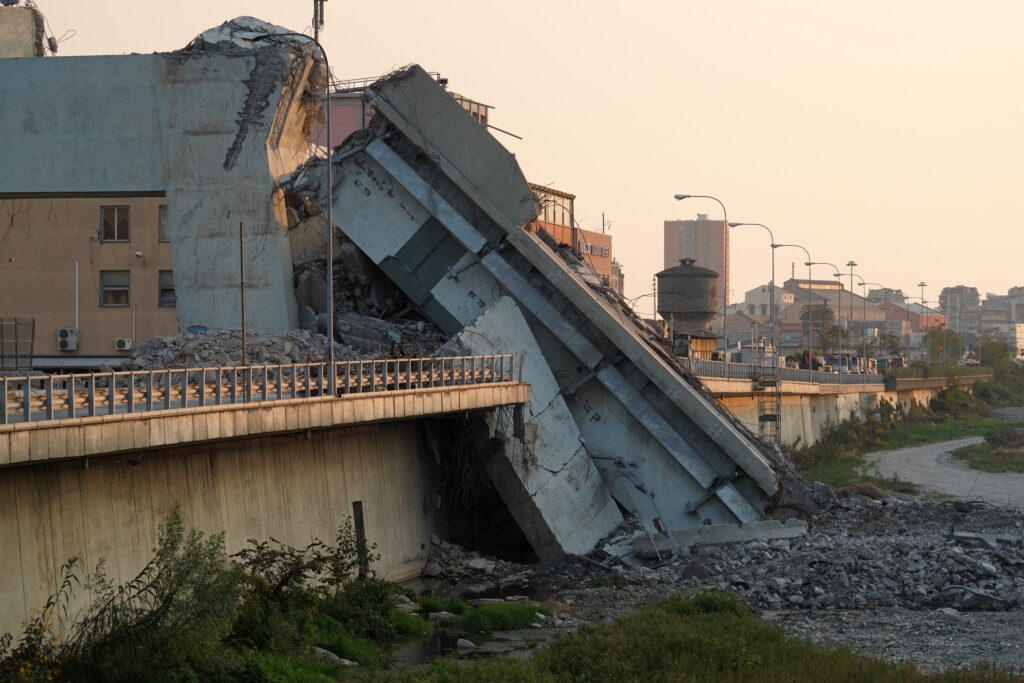
With our innovative sensor network, CorroSense ensures continuous and precise monitoring of the condition of the infrastructure, which drastically reduces the risk of accidents and unplanned downtime. This advanced technology allows us to predict and prevent potential failures, which not only ensures a higher safety standard but also contributes to extending the life of the constructions. By maintaining the infrastructure optimally, we avoid costly and unforeseen shutdowns, which ensures stable and reliable operation.

Partners
FORCE Technology is investigating how a sensor can wirelessly monitor corrosion in reinforced concrete in critical infrastructure. We develop, analyze and test the solutions, prototypes, electronics and optimize it for industrial use.
RITI is a consulting company within the engineering industry that contributes to the project with their in-depth knowledge of the industry, structural studies and sophisticated FE modeling.
KI Monitorering is developing a user-friendly cloud-based data platform which will receive data wirelessly from the sensors. The platform will make it possible to easily access precise measurements, receive alarms in case of fluctuations and create predictive analyses.
The Danish Road Directorate plays a central role in the project as the end user of the CorroSense sensor, and their insight into needs as well as the ability to provide access to road bridges and tunnels is crucial to the project's success.
Sund & Bælt is an important part of the CorroSense project as they are one of the first end users of the product. Their knowledge of needs, constructions and operations in mega constructions is an invaluable part of the project.
Aarhus University's ICELab researches integrated circuit (IC) design with a focus on ultra-low power designs from device to architecture level. Their main focus is novel sensor interfaces and circuits, novel AI algorithms implemented using spiking neural networks, and new emerging technologies
Aalborg University (AAU) is developing an energy-efficient wireless communication solution that collects measurements from the sensor nodes mounted on the monitored structure to the central unit where the data is monitored and displayed.
Get in touch
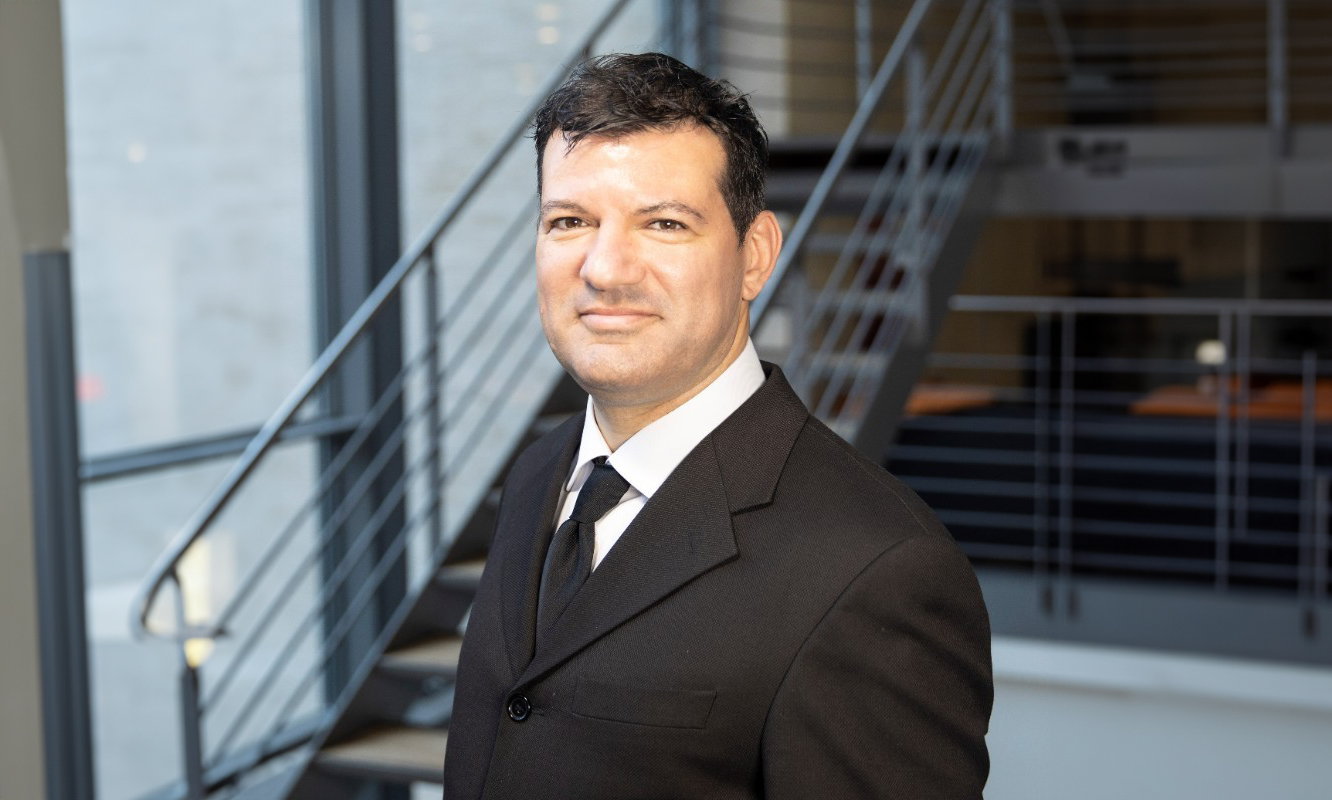
If you have questions about the project, you can contact:
Brian Lohse
Head of Center for Advanced Sensor Technologies
FORCE Technology.
T: +45 42 62 72 49
E: brl@forcetechnology.com