
Strong and broad expertise
FORCE Technology
FORCE Technology is a technology consulting and service company that works to create positive technological change and make the world more sustainable and safer.
In the CorroSense project, FORCE Technology is investigating and testing how a new wireless corrosion sensor can be used to monitor corrosion in reinforced concrete in critical infrastructure and determine whether there is damage. At the same time, different energy harvesting solutions are being explored so that the system becomes self-sufficient. FORCE Technology helps develop the corrosion sensor, electronics, test the prototypes and design the platform.
With the project, we meet a global need for a more efficient and flexible method that can be retrofitted and monitor critical infrastructure. The method must increase safety, reduce consumption of CO2 and reduce costs.
This will give the Norwegian Road Directorate, for example, the possibility of real-time monitoring of their approx. 2,500 bridges and tunnels in Denmark. Thereby, they get rid of the manual and extensive monitoring, which is imprecise and expensive. The technology can be extended to wind turbines, harbor facilities, etc. and therefore has a global potential.
Contact person:
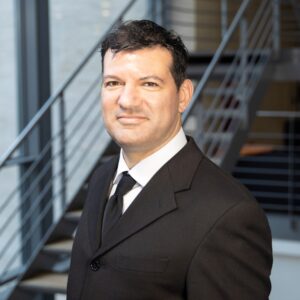
Brian Lohse
Head of Center for Advanced Sensor Technology
brl@forcetechnology.com
+45 42 62 72 49

KI Monitoring
KI Monitoring, a branch of KI Consulting Engineers, is known for its interdisciplinary expertise that includes structural engineering, software development and design. The company offers comprehensive monitoring services, including lifetime analyses, experimental measurements, and complete system design of construction monitoring. They are also specialists in sensor selecting for projects and developing software for construction monitoring and analysis.
KI has demonstrated their expertise in monitoring through involvement in large Danish infrastructure projects, such as the monitoring of old Lillebæltsbro and The Great Belt Fixed Link, where they have been involved with designing monitoring systems and developing software.
In the CorroSense project, KI is in charge of the development of a user-friendly, cloud-based data platform, sharing knowledge about the industry's needs in the project and support for the development of machine learning algorithms. The cloud-based platform is designed for wireless data collection, enabling easy access to precise measurements, alerts on threshholds, and predictive analytics.
Contact person:
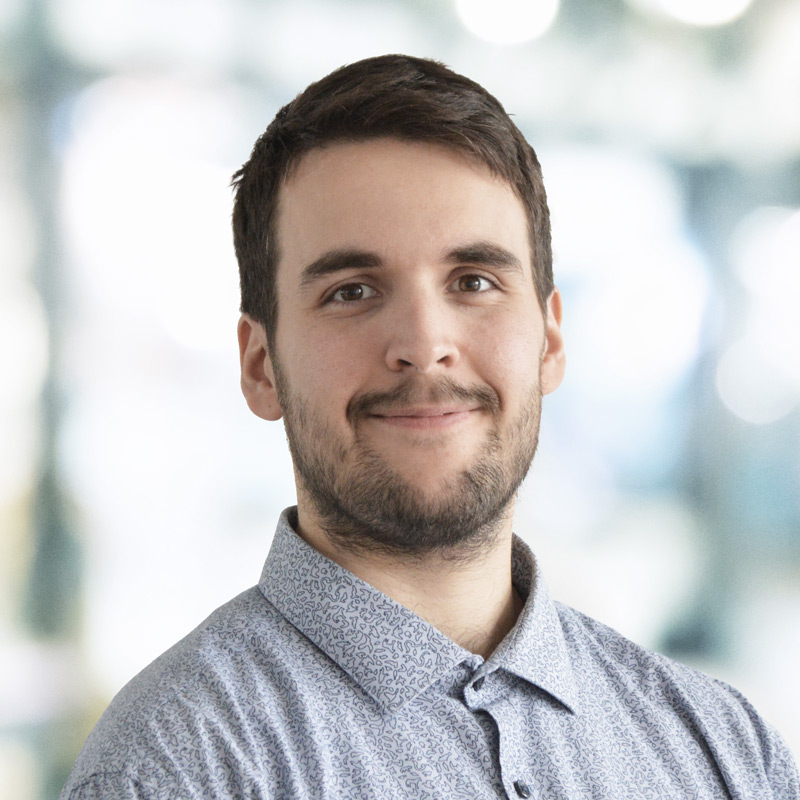
Kasper Myrtue
Computer scientist and head of KI Monitoring
kmy@ki.dk
+45 31 41 86 99
RITI
RITI is a consulting company within the engineering industry, which contributes to the project with their in-depth knowledge of the industry. In their role in the project, they are responsible for 3D modeling of structures and sensors, perform advanced simulations, scan tunnels and bridges, and assist in clarifying the needs of the structure owners.
Contact person:
Martin Gryl
Senior Advisor
mig@riti.dk
+45 60 10 57 57

The Danish Road Directorate
The Roads Directorate plays a central role in the project as the end user of the CorroSense sensor, and their insight into needs and the ability to provide access to road bridges and tunnels is crucial to the project's success.
At the Road Directorate, we are part of your everyday life, and we accompany you throughout the journey. From the busy morning rush hour to the break at the rest area, we work to make your journey easy and safe with an eye on sustainability. We create connections for the many people who use the Danish state roads on a daily basis by developing, planning and building the infrastructure so that you can arrive on time, get fresh goods and travel across the country. We develop Denmark's infrastructure and unite the country with solutions that balance mobility, the environment and road safety. We control budgets and professionalism when we develop the roads of the future, and ensure quality in everything from biodiversity and climate-friendly asphalt to large construction projects. With the Road Directorate, you are guaranteed a safe journey.
Contact person:
Niels Gustav Jørgensen
Engineer
Building works
ngj@vd.dk


Sund & Bælt
Sund & Bælt is responsible for bridges such as the Great Belt Bridge, which is an excellent application of the corrosion sensor from the CorroSense project. As an end user, Sund & Bælt played a key role in understanding the needs of the bridge construction and offers the opportunity to test the project in the real world on one of Europe's largest infrastructure projects. Their insight into bridge maintenance and the challenges that come with it is essential to ensure that projects remain focused on developing solutions that can combat corrosion globally.


Aarhus University
ICELab with the department of Electrical and Computer Engineering at Aarhus University, is an advanced electronics Lab offering low-power chip design competences for energy-efficient systems especially for monitoring and diagnosis purposes. The applications are from biomedical devices in the form of implants or wearables, to structural health monitoring where new sensor interfaces are proposed to clean the signal and then processing the acquired data in an ultra low power computing system using novel computing paradigms such as neuromorphic computing. The TRL of the work from the Lab has a wide range from basic research to applied science and engineering.
In the CorroSense project, ICE-LAB oversees the research and development of the next generation of intelligent corrosion and structural health monitoring sensors. These ultra-low-energy sensors employ advanced on-edge brain inspired artificial intelligence technology to enable precise measurements and analysis of corrosion levels. The system enables predictive identification and monitoring of corrosion progression in reinforced concrete structures. With this, the research aims to significantly enhance the longevity and safety of critical infrastructure by providing early detection and future prediction of corrosion-related issues.
Contact person:
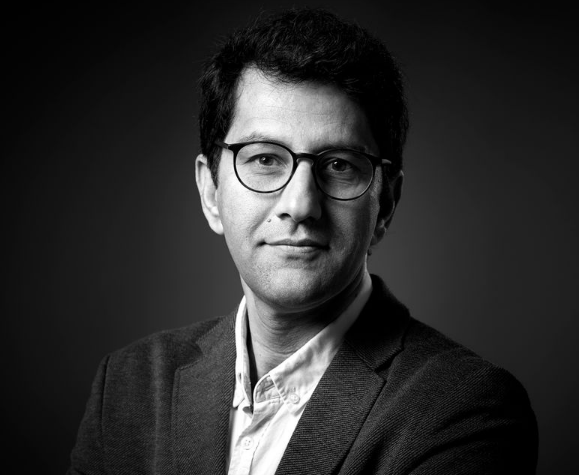
Farshad Moradi, Ph.D.
Professor in Electrical and Computer Engineering
Head of the section of electronics and Photonics
Director of ibrAIn center and ICELab
Department of Electrical and Computer Engineering
Aarhus University
moradi@ece.au.dk
Tel: +45 41 89 33 44

Aalborg University
Aalborg University (AAU) has a long history of research in the areas of antennas, wireless communications, networking, radio propagation, and over the air (OTA) testing, all of which are key areas for the CorroSense project. The university has several well-equipped wireless communications labs, including a unique large radio anechoic room, and hosts researchers which are pioneers in OTA testing, and leading experts in antenna design as well as in the fields of IoT systems and communications.
In CorroSense, AAU is responsible for the wireless communication between all the individual sensors distributed on the monitored construction and the central server located in the cloud. Since the sensor nodes are battery-less and subsist only on energy harvested from the environment, the available energy is limited, and the communication system must be designed for low power consumption while at the same time ensuring reliable and timely data collection. In addition, the designed antennas and other parts of the system must be suitable for embedding in the sensor nodes.
FORCE Technology
FORCE Technology er en teknologisk rådgivnings- og servicevirksomhed (GTS), der arbejder for at skabe positiv teknologisk forandring og gøre verden mere bæredygtig og sikker.
I Corrosense-projektet undersøger og tester FORCE Technology, hvordan en ny trådløs korrosionssensor kan bruges til at overvåge korrosion i armeret beton i kritisk infrastruktur og fastslå, om der er skader. Samtidigt udforskes forskellige energihøst løsninger, så systemet bliver selvforsynende. FORCE Technology er med til at udvikle korrosionssensoren, elektronikken, teste prototyperne, samt platform designet.
Med projektet tilgodeser vi et globalt behov for en mere effektiv og fleksibel metode, der kan eftermonteres og overvåge kritisk infrastruktur. Metoden skal øge sikkerheden, reducere forbrug af CO2 og reducere omkostninger.
Det vil give fx Vejdirektoratet mulighed for realtime overvågning af deres ca. 2.500 broer og tunneller i Danmark. Dermed slipper de for den manuelle og omfattende overvågning, som er upræcis og dyr. Teknologien kan udbredes til vindmølle-, havneanlæg m.m. og har derfor et globalt potentiale.
Kontaktperson:
Brian Lohse
Head of Center for avanceret sensorteknologi
brl@forcetechnology.com
+45 42 62 72 49
KI Monitorering
KI Monitorering, en gren af KI Rådgivende Ingeniører, er kendt for sin tværfaglige ekspertise, der omfatter konstruktionsingeniører, softwareudviklere og designere. Virksomheden tilbyder omfattende monitoreringsservices, herunder livstids analyser, eksperimentelle målinger, og komplet systemdesign. De er også specialister i valg af sensortyper og udvikling af software til konstruktionsmonitorering og analyse.
KI har demonstreret deres ekspertise indenfor monitorering gennem involvering i store danske infrastrukturprojekter, såsom den gamle Lillebæltsbro og Storebæltsbroen, hvor de har designet monitoreringssystemer og udviklet software.
I CorroSense projektet, står KI for udviklingen af en brugervenlig, cloud-baseret dataplatform, deling af viden om industriens behov i projektet og støtte til udviklingen af machine learning algoritmer. Den cloud-baserede platformen er designet til trådløs dataindsamling, hvilket muliggør nem adgang til præcise målinger, alarmer ved udsving, og prædiktive analyser.
Kontaktperson:
Kasper Myrtue
Datalog og leder af KI Monitorering
kmy@ki.dk
+45 31 41 86 99
RITI
RITI er en konsulentvirksomhed inden for ingeniørbranchen, som bidrager til projektet med deres dybdegående kendskab til industrien. I deres rolle i projektet står de for 3D-modellering af konstruktioner og sensorer, udfører avancerede simulationer, scanner tunneler og broer, og bistår med at klarlægge konstruktionsejernes behov.
Kontaktperson:
Martin Gryl
Senior rådgiver
mig@riti.dk
+45 60 10 57 57
Vejdirektoratet
Vejdirektoratet spiller en central rolle i projektet som slutbruger af CorroSense-sensoren, og deres indsigt i behov samt evnen til at give adgang til vejbroer og tunneler er afgørende for projektets succes.
I Vejdirektoratet er vi en del af din hverdag, og vi følger dig på hele rejsen. Fra den travle morgenmyldretid til pausen på rastepladsen, vi arbejder for at gøre din rejse nem og sikker med øje for bæredygtighed. Vi skaber forbindelser for de mange, der dagligt bruger de danske statsveje, ved at udvikle, planlægge og anlægge infrastrukturen, så du kan nå til tiden, få friske varer og rejse på tværs af landet. Vi udvikler Danmarks infrastruktur og forener landet med løsninger, der balancerer mobilitet, miljø og trafiksikkerhed. Vi har styr på budgetter og faglighed, når vi udvikler fremtidens veje, og sikrer kvalitet i alt fra biodiversitet og klimavenlig asfalt til store anlægsprojekter. Med Vejdirektoratet er du sikret en sikker rejse.
Kontaktperson:
Niels Gustav Jørgensen
Ingeniør
Bygværker
ngj@vd.dk
Sund & Bælt
Sund & Bælt har ansvaret for broer som Storebæltsbroen, som er en fremragende anvendelse af korrosionssensoren fra CorroSense projektet. Som slutbruger spiller Sund & Bælt en nøglerolle i at forstå behovene for brokonstruktionen og tilbyder muligheden for at afprøve projektet i den virkelige verden på en af Europas største infrastrukturprojekter. Deres indsigt i brovedligeholdelse og de udfordringer, der følger med, er afgørende for at sikre, at projekter forbliver fokuserede på at udvikle løsninger, der kan bekæmpe korrosion globalt.
Aarhus Universitet
ICE-Lab under instituttet for Elektrisk og Computer Ingeniørvidenskab ved Aarhus Universitet er et avanceret elektroniklaboratorium, der tilbyder kompetencer inden for design af lavenergi-chips og energieffektive systemer til applikationer for monitorering og diagnosering. Applikationerne varierer fra biomedicinske enheder i form af implantater eller wearable teknologier, til strukturel sundhedsovervågning, hvor nye sensorgrænseflader udvikles for at rense signalet og behandle de indsamlede data i et ultra-lavenergi databehandlingssystem, der anvender nye computerteknologier såsom neuromorfisk computering. Det teknologiske modenhedsniveau af arbejdet i laboratoriet spænder bredt fra grundforskning til anvendt videnskab og teknik.
I CorroSense-projektet står ICE-Lab for forskning og udvikling af den næste generation af intelligente korrosions- og strukturelsundhedsovervågningssensorer. Disse ultra-lavenergi sensorer anvender avanceret, hjerne inspireret ’edge computing’ for kunstig intelligens til at muliggøre præcise målinger og analyse af korrosionsniveauer. Systemet muliggør forudsigende identifikation og overvågning af korrosionsprogression i armerede betonstrukturer. Forskningens arbejdets mål er betydeligt at forbedre levetiden og sikkerheden for kritisk infrastruktur ved at levere tidlig detektion og fremtidig forudsigelse af korrosionsrelaterede problemer.
Kontaktperson:
Farshad Moradi, Ph.D.
Professor in Electrical and Computer Engineering
Head of the section of electronics and Photonics
Director of ibrAIn center and ICELab
Department of Electrical and Computer Engineering
Aarhus Universitet
moradi@ece.au.dk
Tel: +45 41 89 33 44
Aalborg Universitet
Aalborg Universitet (AAU) har en lang historie med forskning inden for områderne antenner, trådløs kommunikation, netværk, radiopropagation og over-the-air (OTA) testning, som alle er nøgleområder for CorroSense-projektet. Universitetet har flere veludstyrede trådløse kommunikationslaboratorier, herunder et unikt stort radiodødt rum, og huser forskere, der er pionerer inden for OTA-testning og førende eksperter inden for antenneudvikling samt inden for IoT-systemer og kommunikation.
I CorroSense er AAU ansvarlig for den trådløse kommunikation mellem alle de individuelle sensorer, der er fordelt på den overvågede konstruktion, og den centrale server, der er placeret i skyen. Da sensorerne er uden batterier og udelukkende får energi fra miljøet, er den tilgængelige energi begrænset, og kommunikationssystemet skal derfor designes med henblik på lavt strømforbrug samtidig med at det sikrer pålidelig og rettidig dataindsamling. Derudover skal de designede antenner og andre dele af systemet være velegnede til indlejring i sensorerne.